
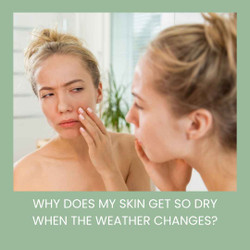
Your skin can be perfectly comfortable one week and suddenly feel tight, rough or flaky the next.
Often, nothing has changed in your skincare routine. The difference is outside it. As the weather shifts, changes in temperature and humidity can affect how much moisture the skin retains. Turning on the central heating, taking longer hot showers and spending more time in cold or windy weather can add further stress.
For sensitive or dry skin, these changes can be particularly noticeable.
So why does weather affect the skin so much, and what can you do when the seasons change?
Why does changing weather make skin dry?
The outermost layer of your skin has an important job: keeping water in while protecting the body from the outside environment.
This protective barrier is made up of skin cells surrounded by lipids, often described as having a little like a "brick and mortar" structure. When the barrier is working properly, it helps prevent excessive water loss from the skin.
Changes in the surrounding environment can affect how well it performs.
Research has found that temperature and humidity influence skin hydration and transepidermal water loss (TEWL), the process by which water moves from the skin into the surrounding air. Lower humidity can increase water loss and contribute to changes in barrier function.
This is one reason skin can suddenly feel drier when the weather changes, even if you're using exactly the same products.
Cold, dry air can pull moisture from the skin
When temperatures fall, the air generally holds less moisture. Cold outdoor air can therefore be challenging for skin that is already prone to dryness.
Wind can make matters worse by increasing exposure to dry air and contributing to moisture loss from the skin's surface.
The result may be a familiar combination of tightness, roughness and flaking, particularly on exposed areas such as the face, lips and hands.
People with sensitive skin may notice additional symptoms, including stinging or increased reactivity to products that normally feel comfortable.
Then there's the central heating
Autumn and winter create an unusual situation for our skin because we move repeatedly between cold outdoor air and warm indoor environments.
Central heating reduces indoor humidity, creating another relatively dry environment for the skin.
You don't need to turn off the heating to protect your skin, of course. But if you notice that your skin becomes increasingly dry once the heating goes on, the change in humidity may be part of the explanation.
If indoor air is particularly dry, a humidifier can increase the moisture content of the surrounding air. Keeping rooms at a comfortable temperature rather than excessively warm may also help.
Hot showers can make dry skin worse
When it's cold outside, a long, hot shower can be difficult to resist.
Unfortunately, very hot water can remove some of the skin's natural oils and increase dryness, particularly when combined with frequent cleansing.
If your skin tends to feel tight immediately after bathing, try lowering the temperature slightly and keeping showers relatively short.
A gentle cleanser is also preferable to one that leaves the skin feeling stripped or "squeaky clean".
Why sensitive skin can struggle more with seasonal changes
Healthy skin is constantly adapting to its environment. But when the skin barrier is already compromised, relatively small environmental changes can be more noticeable.
A weakened barrier loses water more readily and can become more vulnerable to irritants. This can create a cycle in which dryness leads to increased sensitivity, which then makes everyday products or environmental conditions feel more uncomfortable.
This is particularly relevant for people with eczema-prone, very dry or reactive skin.
Seasonal changes don't necessarily cause these conditions, but they can aggravate existing dryness or irritation.
Is your skin dry or dehydrated?
The terms "dry skin" and "dehydrated skin" are often used interchangeably, but they aren't quite the same.
Dry skin generally refers to a skin type or a lack of lipids and oils in the skin. Dehydrated skin is lacking water.
You can have dry skin that is also dehydrated, but even oily skin can become temporarily dehydrated when environmental conditions change.
Signs of dehydration can include tightness, dullness and fine lines that appear more noticeable than usual.
The distinction isn't necessarily important when choosing your routine, though. In both cases, supporting the skin barrier and reducing excessive moisture loss can help.
How to stop your skin getting so dry when the weather changes
The most useful approach is often to make small changes rather than completely overhaul your skincare routine.
Use a gentle cleanser
Cleansing removes dirt, sunscreen and other substances from the skin, but overly aggressive cleansing can also remove some of the lipids that support the skin barrier.
As the weather becomes colder, consider whether your cleanser leaves your skin feeling comfortable afterwards. If your face feels tight immediately after cleansing, your routine may be too stripping.
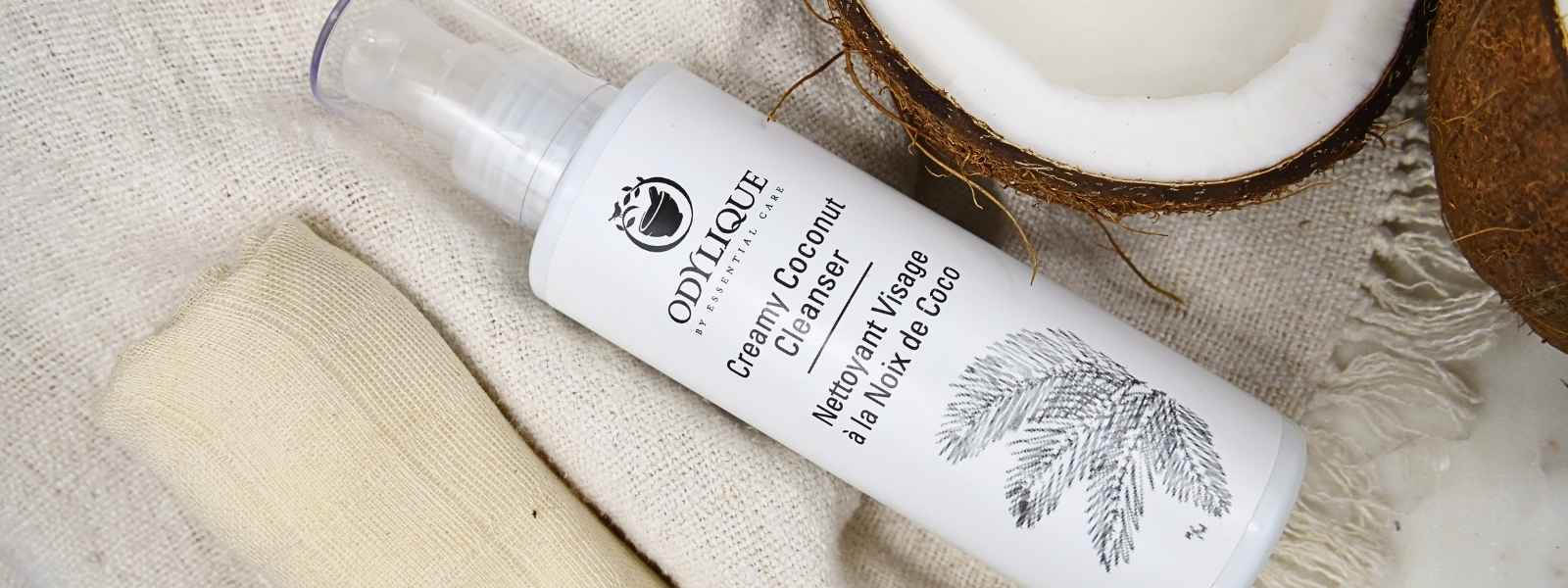
Choose a gentle cleanser and use lukewarm rather than very hot water.
Moisturise while skin is still slightly damp
Moisturiser works by helping to hydrate the skin and reduce water loss.
Applying it soon after cleansing, while the skin is still slightly damp, can help retain some of that water.
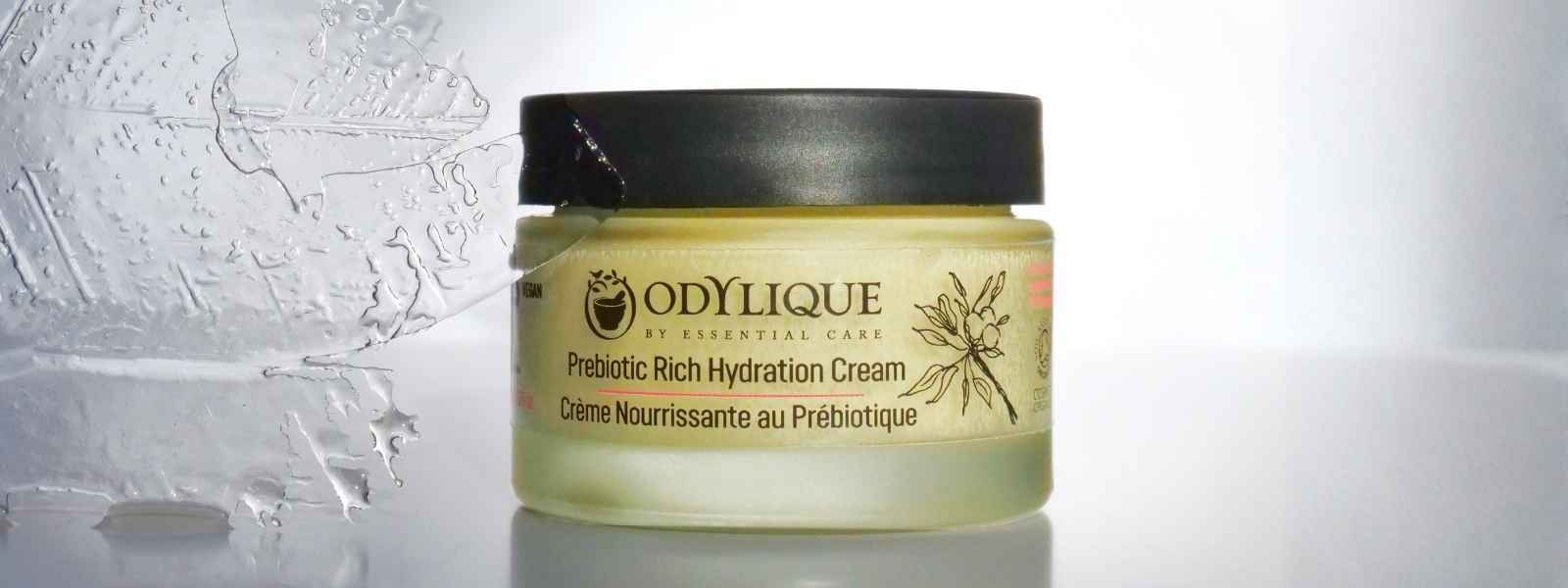
Look for a combination of humectants, which attract water, and emollient ingredients, which soften the skin and help support the barrier. Glycerin, aloe vera and plant oils can all have a role in a well-formulated moisturiser.
Consider a richer moisturiser in colder weather
The lightweight moisturiser that feels perfect in summer may not be enough once the temperature drops.
You don't necessarily need a completely different routine, but you may find that a richer moisturiser or an additional layer on particularly dry areas helps compensate for the change in environment.
Pay particular attention to areas that tend to dry out first, such as the cheeks, around the nose, hands and lips.
Don't over-exfoliate
When skin becomes rough or flaky, it can be tempting to exfoliate more frequently.
But if the underlying problem is a compromised barrier, aggressive exfoliation can make matters worse.
If your skin is feeling unusually dry, tight or sensitive, consider taking a break from strong exfoliating acids, scrubs or other potentially irritating actives until it feels comfortable again.
Protect exposed skin
Cold and windy weather can be particularly hard on exposed areas of skin.
A moisturiser can provide some protection, while gloves and other physical protection can help shield hands and other exposed areas when temperatures fall.
And although UV levels are generally lower in autumn and winter than in summer, UV exposure doesn't disappear when the weather becomes cold. Broad-spectrum sunscreen remains relevant, particularly for prolonged outdoor exposure.
What about the skin microbiome?
The skin barrier doesn't work in isolation. It exists alongside the skin microbiome, the community of microorganisms that naturally live on its surface.
These microorganisms interact with the skin and form part of its natural defence system. Research into the skin microbiome is still developing, but maintaining a healthy skin environment appears to be closely connected with barrier function and overall skin health.
This gives us another reason to avoid unnecessarily harsh skincare when the weather changes. Excessive cleansing and irritation can disrupt the skin's natural environment as well as the physical barrier.
Prebiotic skincare takes a supportive approach by providing nutrients that can help beneficial microorganisms already living on the skin.
For sensitive skin, a routine that supports both the barrier and the microbiome can be a useful way of maintaining resilience throughout seasonal changes.
Does skin adapt to seasonal changes?
To some extent, yes.
The skin is remarkably adaptable, and studies have found measurable seasonal differences in factors such as hydration, sebum production and transepidermal water loss.
But adaptation isn't always enough to prevent discomfort, particularly when environmental conditions change rapidly or when the skin barrier is already compromised.
This is why paying attention to how your skin feels can be useful. If your usual routine suddenly leaves your skin feeling tight or uncomfortable, it may be time to adjust rather than simply carrying on with the same products year-round.
A simple seasonal skincare routine
When the weather changes, your skincare routine doesn't need to become complicated.
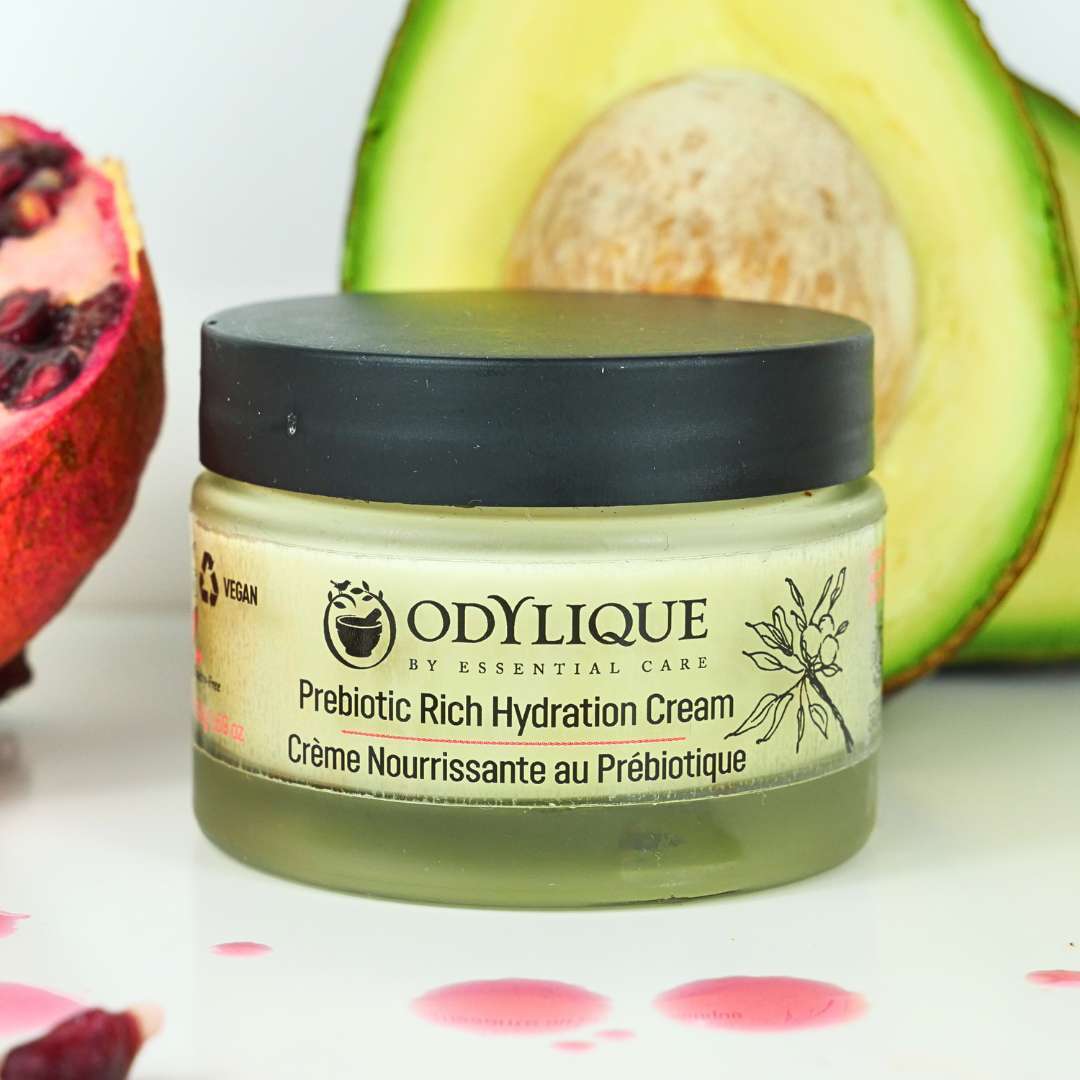
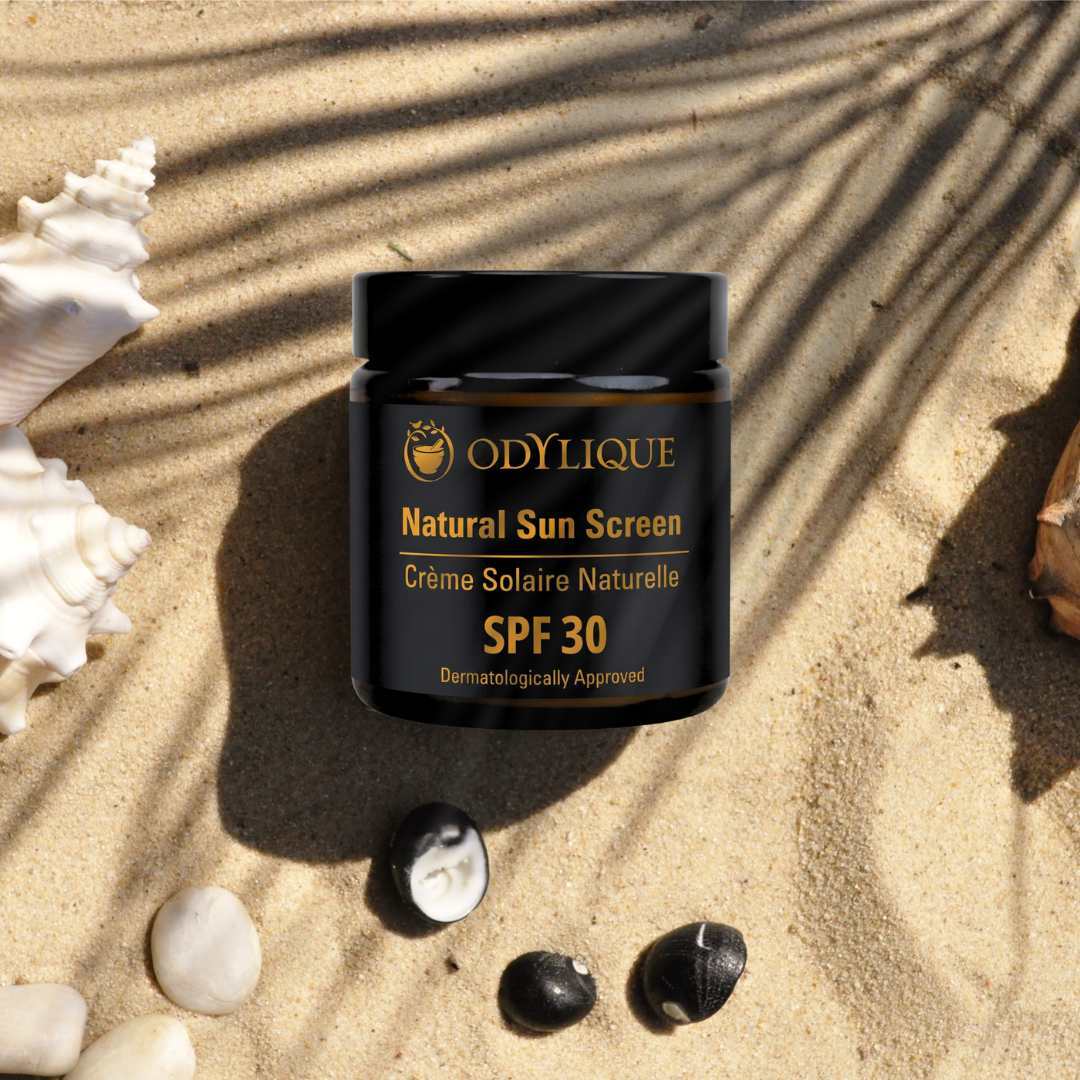
In the morning, use a gentle cleanser if needed, followed by prebiotic moisturiser and broad-spectrum SPF. In the evening, cleanse gently and apply a nourishing moisturiser while your skin is still slightly damp.
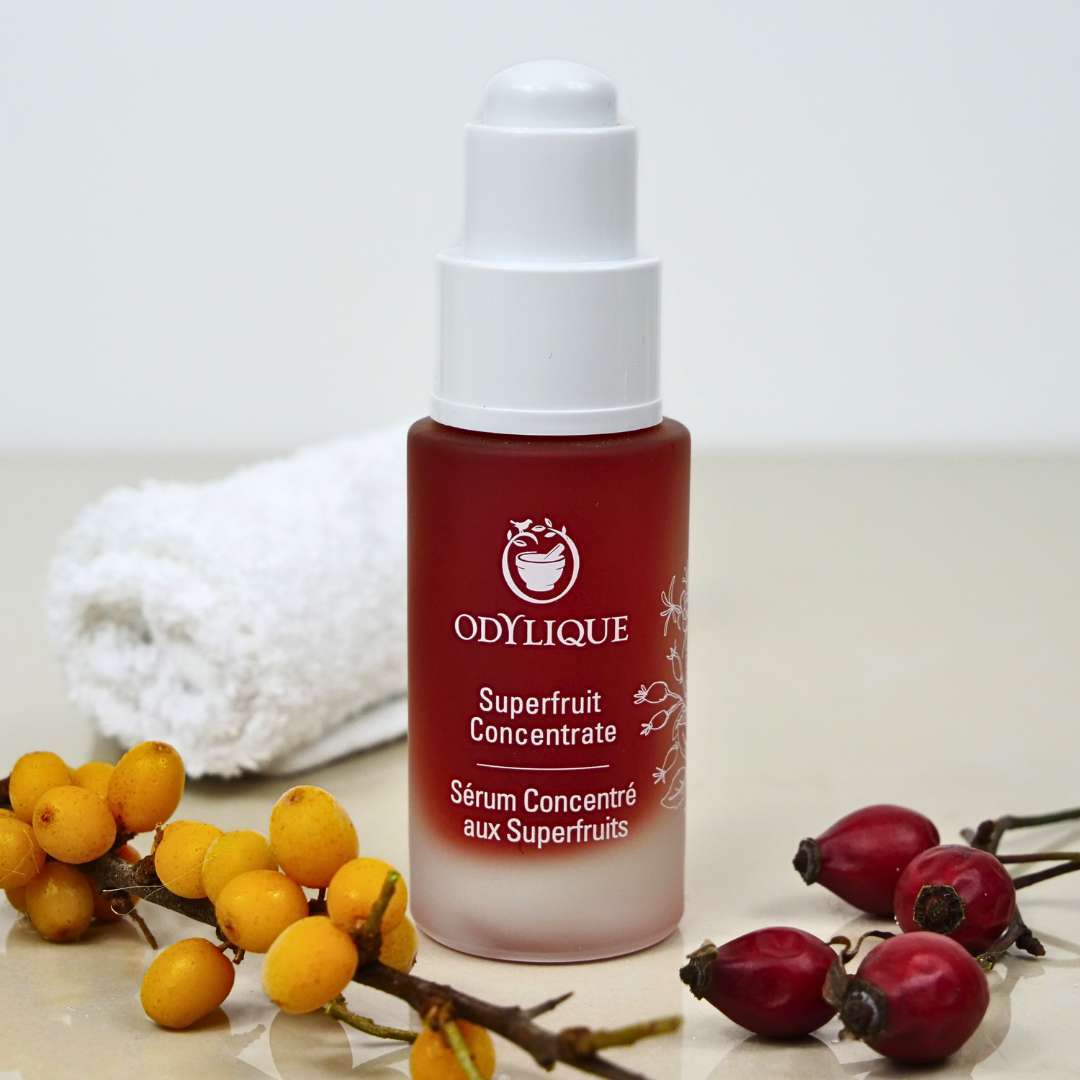
If your skin is particularly dry, add extra moisturiser to the areas that need it, or boost those areas with a nourishing facial oil, like Superfruit Concentrate, rather than applying multiple products all over your face.
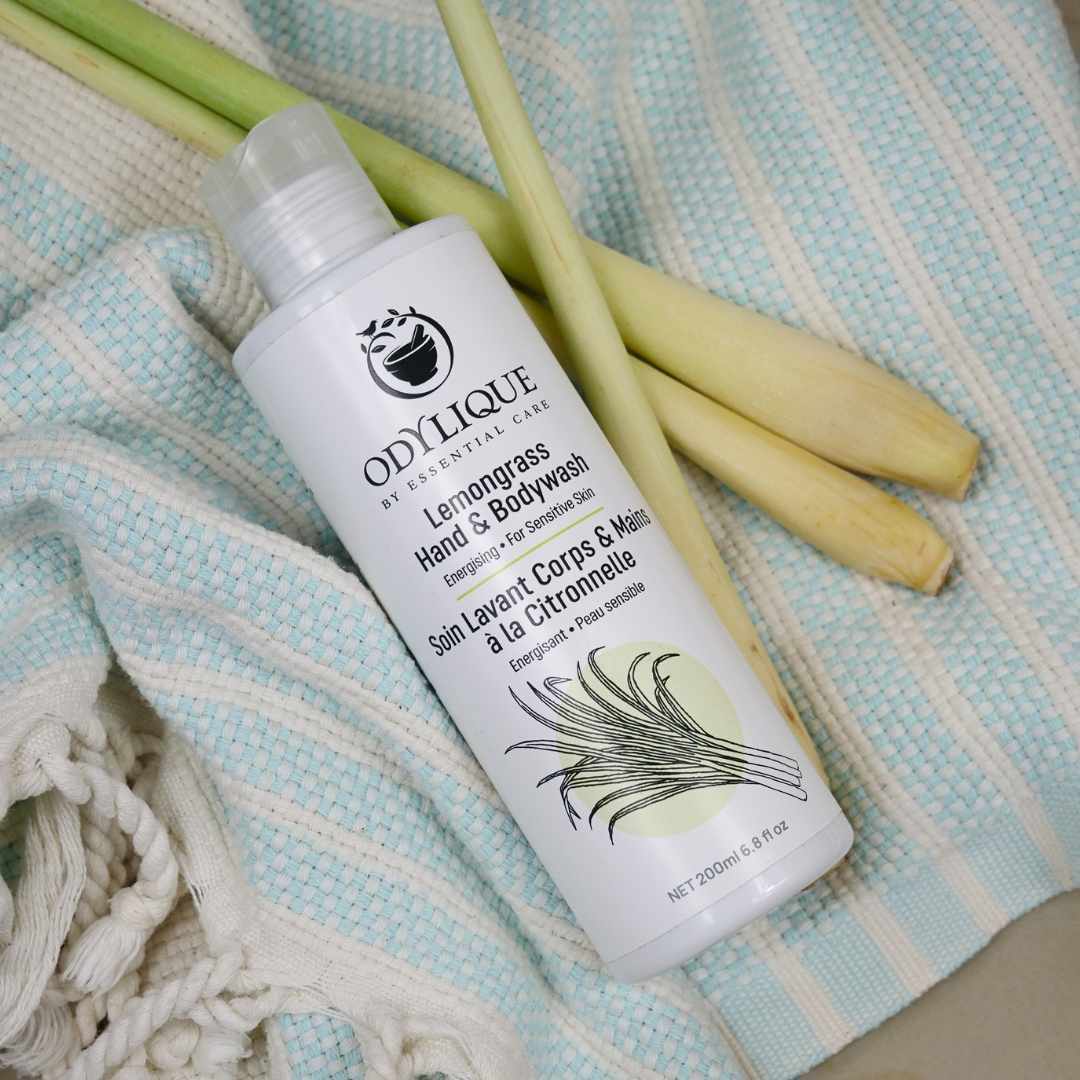
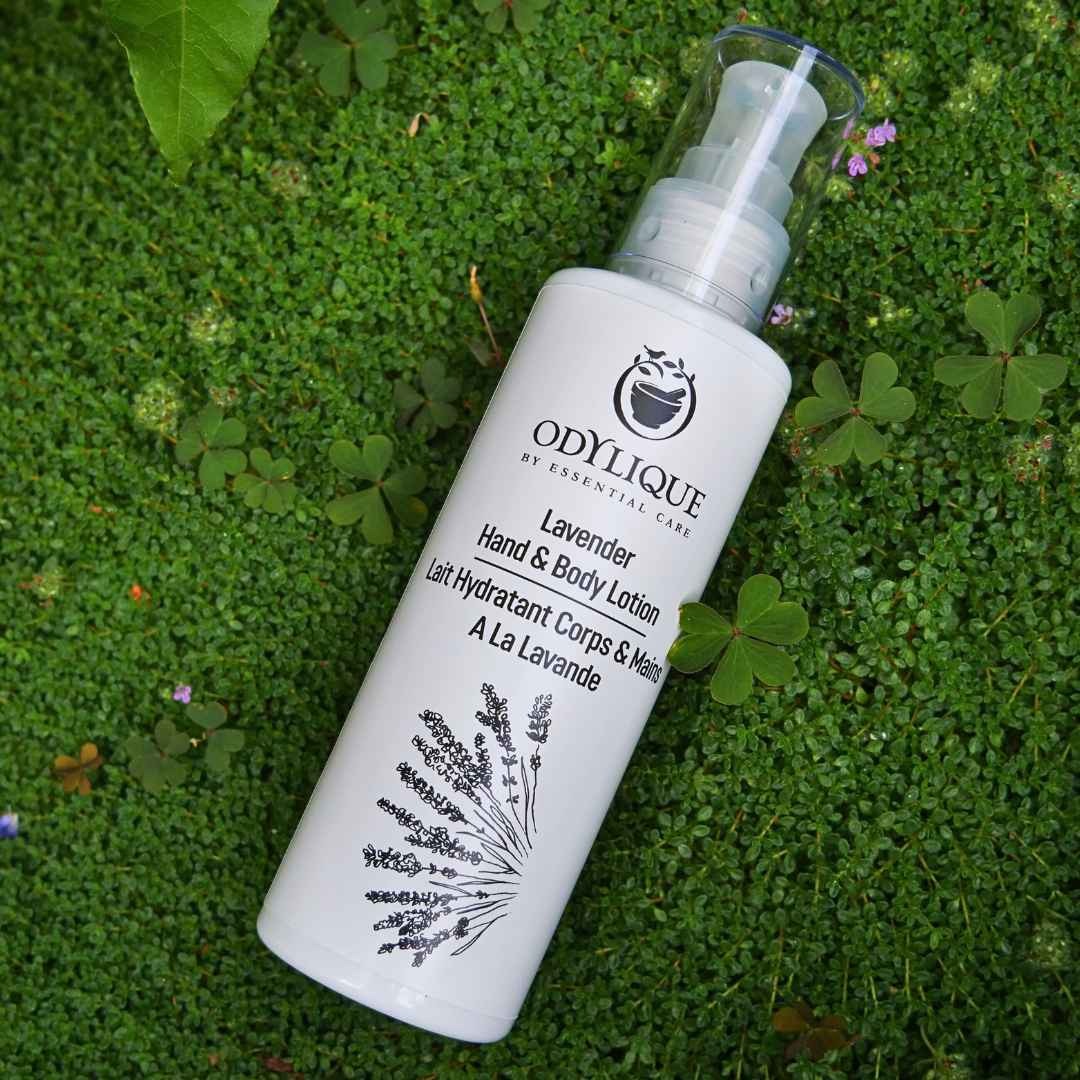
The same principle applies to the body. Regular use of a gentle body wash and moisturiser can help prevent the dry, tight feeling that often develops on arms and legs as temperatures fall.
When dry skin needs more than seasonal skincare
Most seasonal dryness is manageable with gentle skincare and a little extra attention to hydration and the skin barrier.
However, persistent or severe dryness can have other causes. If your skin is intensely itchy, painful, cracked, bleeding, inflamed or developing persistent patches, it is worth speaking to a healthcare professional.
Conditions such as eczema, psoriasis and contact dermatitis can all cause dry or irritated skin and may need specific treatment.
Final thoughts
When the weather changes, your skin has to adapt to a different environment too.
Lower humidity, colder air, wind, central heating and hotter showers can all increase the demands placed on the skin barrier. For dry or sensitive skin, that can quickly translate into tightness, roughness, flaking or increased sensitivity.
The solution isn't necessarily to add more products. Gentle cleansing, regular moisturising, sensible bathing habits and protection from environmental stress can go a long way towards keeping the skin comfortable.
And if your skin needs a little more support as the seasons change, adjusting the texture and richness of your skincare can help your routine adapt with it.