
You've applied your skincare carefully, allowed your moisturiser to sink in and reached for your sunscreen. Then, as you start rubbing it in, tiny flakes begin rolling across your skin.
The immediate assumption is usually that the sunscreen is at fault. But pilling is often the result of several products interacting on the skin's surface rather than a problem with one product alone.
Here's an explainer and a how-to for smooth skincare application and SPF protection:
What is pilling?
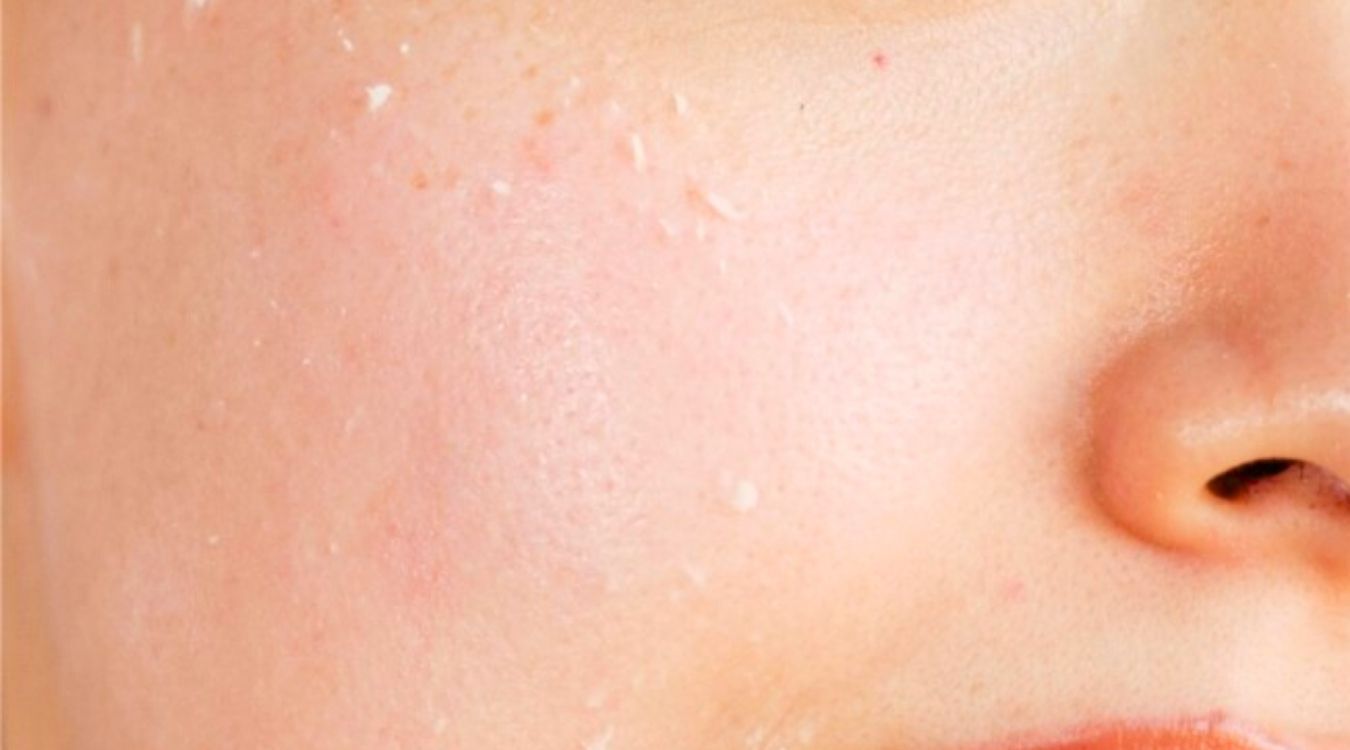
Pilling occurs when skincare products fail to absorb or integrate properly and instead form small balls or flakes on the skin's surface.
These flakes are not usually dead skin. More often, they're made up of skincare ingredients, sunscreen filters, polymers, silicones or powders that have begun to clump together as the products are rubbed into the skin.
While pilling isn't harmful, it can be frustrating and may leave gaps in sunscreen coverage.
Why does sunscreen seem to cause pilling?
Sunscreen is often the final step in a skincare routine, which means it is applied on top of several other products.
By the time sunscreen is added, the skin may already be carrying layers of serums, moisturisers, facial oils and makeup primers. If these layers are incompatible, pilling becomes much more likely.
In many cases, sunscreen simply reveals an issue that has been building throughout the routine.
Too many layers
One of the most common causes of pilling is applying too many products.
Each skincare product contains ingredients designed to form a film on the skin. When multiple films accumulate, they can begin to roll away from the surface as additional products are applied.
This is especially common when combining:
- rich moisturisers
- silicone-heavy primers
- facial oils
- sunscreen
- foundation
Sometimes simplifying the routine can solve the problem immediately.
Products haven't fully absorbed
Many people apply products in quick succession, especially in the morning.
If moisturiser is still sitting on the skin when sunscreen is applied, the two formulas may mix together rather than forming separate layers.
Allowing a few minutes between products can significantly reduce pilling.
Silicones and film-forming ingredients
Many skincare products contain ingredients designed to create a smooth finish or improve longevity.
When multiple products contain similar film-formers, particularly silicones, and they are layered together, they can begin to ball up during application.
Silicones are particularly common in primers and long-wear makeup products.
Mineral sunscreens and pilling
Mineral sunscreens are sometimes blamed for pilling because they contain physical UV filters such as zinc oxide.
However, zinc oxide itself is not usually the cause.
Both chemical and mineral sunscreens are prone to pilling if too many products are applied at once, the sunscreen is applied over makeup or products that leave a heavy residue, the sunscreen itself contains silicone and is applied over a water-gel moisturiser, or when excessive rubbing is used during application.
Facial oils and sunscreen
Applying sunscreen directly over a heavy layer of oil may also increase the likelihood of pilling and can make it more difficult to achieve uniform coverage.
If your skin requires extra nourishment, it is often better to use a lightweight moisturiser underneath sunscreen rather than relying on large amounts of facial oil.
How to stop sunscreen pilling
The most effective solution is usually to simplify the routine and cut down on products.
A gentle cleanser, an appropriate moisturiser, and a well-formulated sunscreen are often all that is needed.
We would recommend:
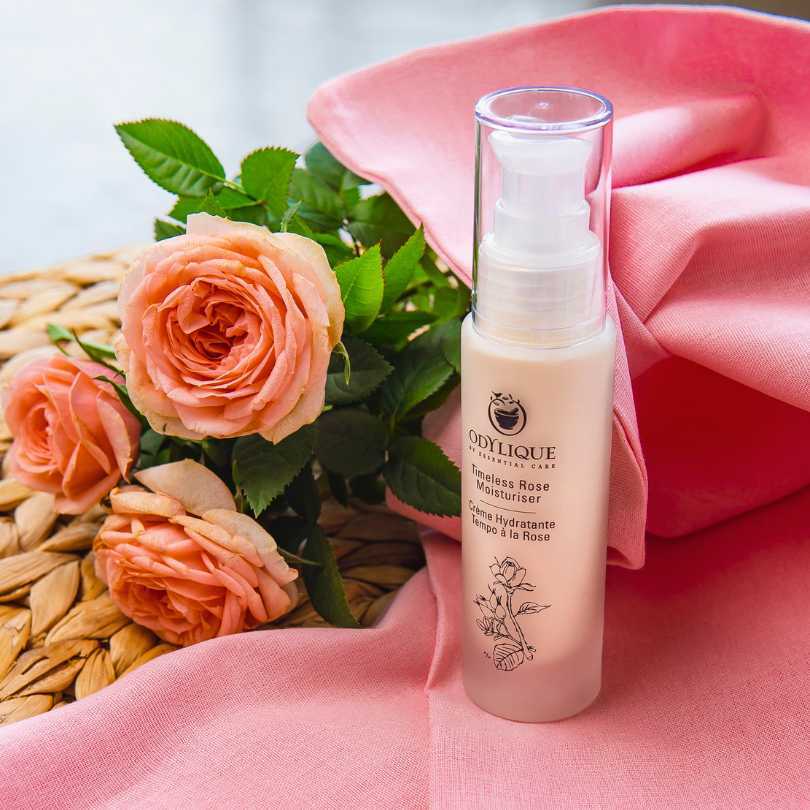
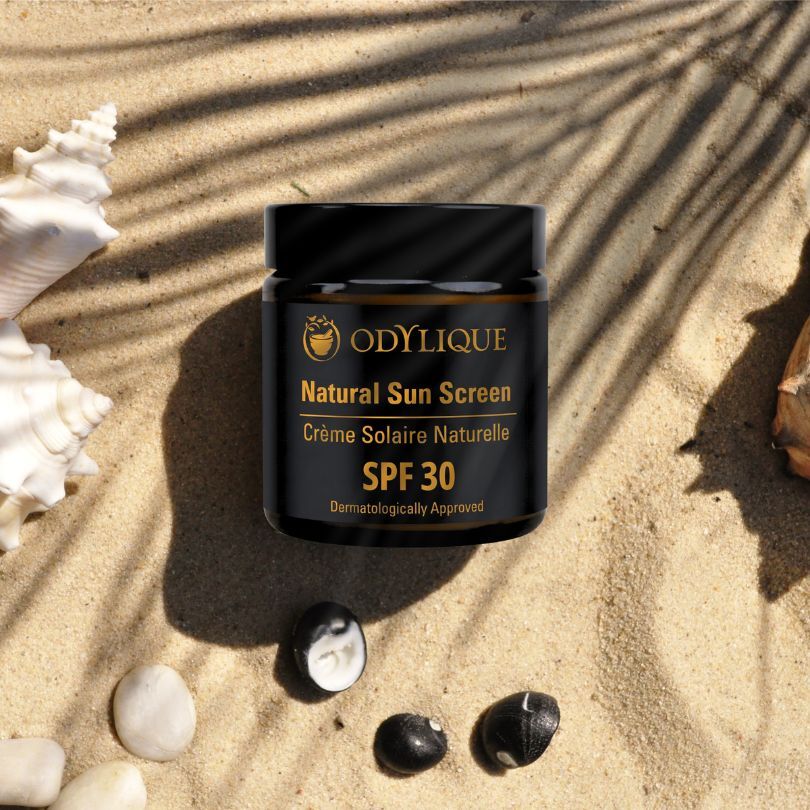
1. Our Creamy Coconut Cleanser, Timeless Rose Moisturiser, and Natural Sunscreen SPF 30.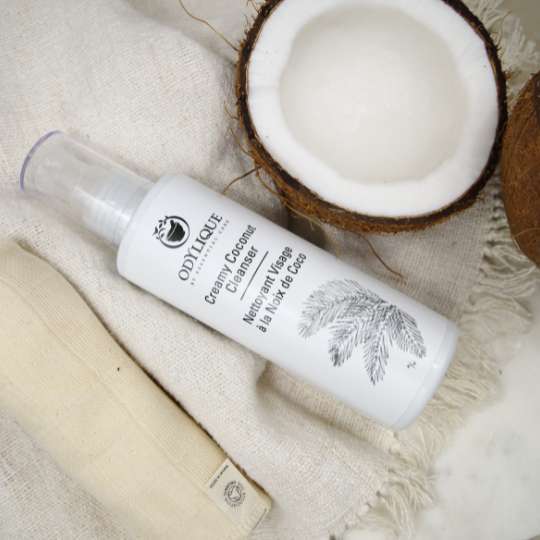
2. You can use our Cream Foundation SPF 25 instead of or together with the Natural Sunscreen if you're looking for foundation coverage as well.
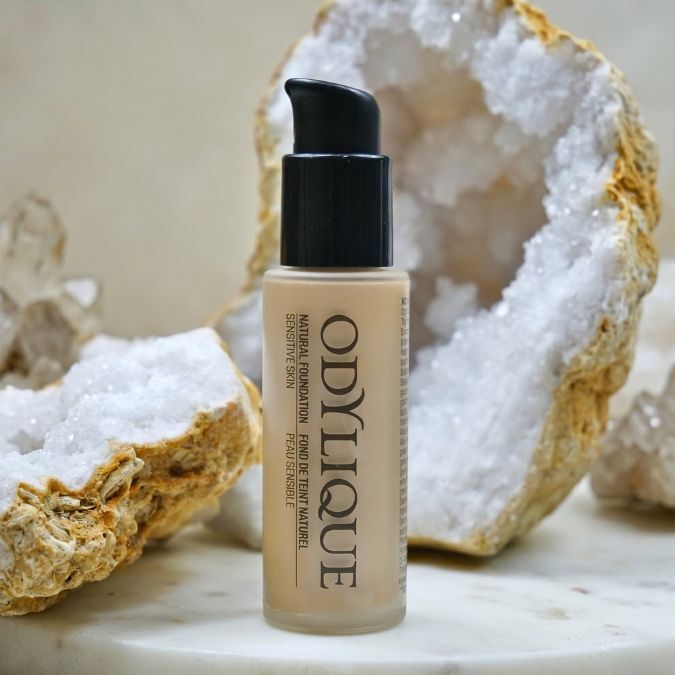
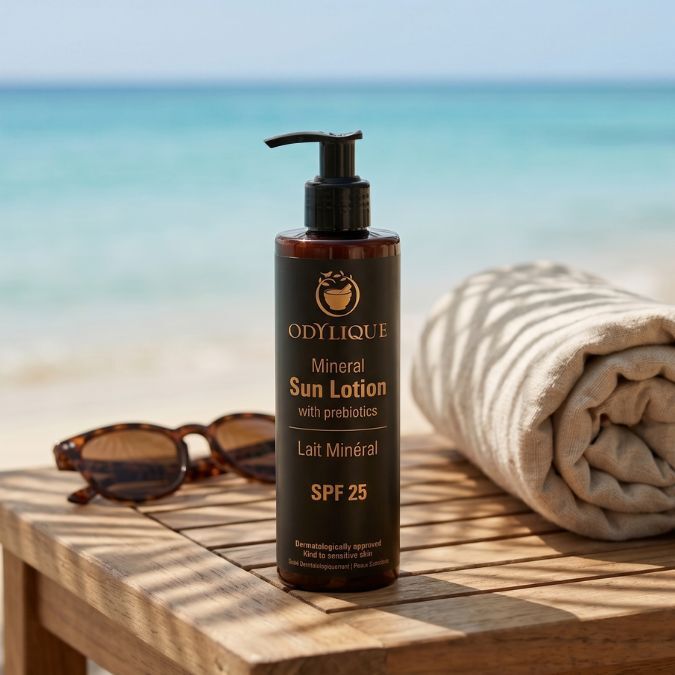
3. If you use a water-based foundation, like our Natural Foundation, skip the Natural Sunscreen and blend your foundation with our Mineral Sun Lotion SPF 25.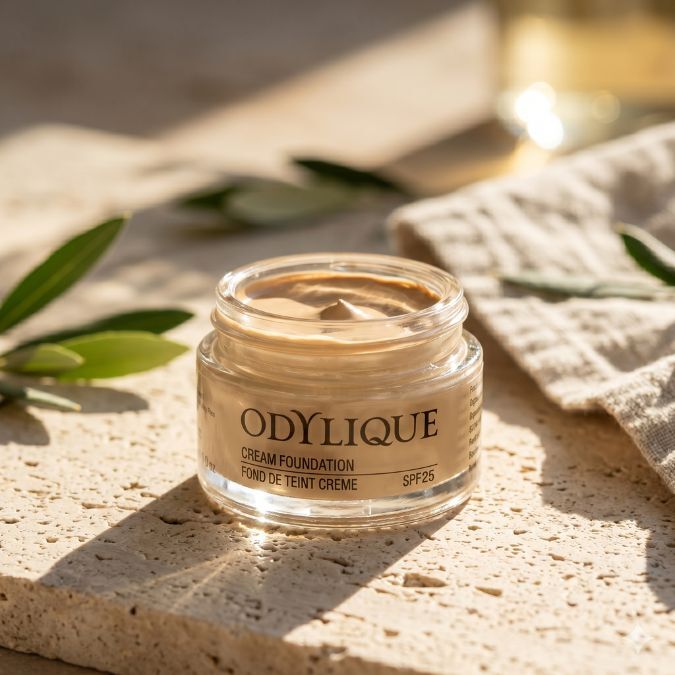
If you're using other products, it can also help to:
- allow each product time to settle before applying the next
- avoid over-applying multiple serums
- use gentle pressing motions rather than vigorous rubbing
- reduce or avoid primer underneath sunscreen
- avoid products that contain heavy film-formers like silicone or polyacrylate crosspolymer (no Odylique products contain these ingredients)
If pilling occurs consistently, try changing one product at a time. This makes it easier to identify which combination is causing the issue.
Can pilling affect sun protection?
Potentially, yes.
Sunscreen works best when it forms a uniform film across the skin. If large amounts of product are rolling away during application, coverage may become uneven.
For this reason, frequent pilling is worth addressing rather than simply brushing away the flakes and carrying on.
The bottom line
When everything pills under sunscreen, the sunscreen itself is not always to blame.
More often, pilling occurs because multiple products are competing to form a film on the skin's surface. Simplifying your routine, allowing products to absorb properly and choosing compatible formulations can often solve the problem.
In many cases, less really is more. A streamlined skincare routine not only reduces pilling but can also help ensure your sunscreen provides the protection your skin needs.