

When temperatures rise, sensitive skin often becomes harder to manage. Skin that normally feels balanced can suddenly become red, itchy, dehydrated or reactive during periods of hot weather or increased sun exposure.
This happens because heat and UV exposure place extra stress on the skin barrier, making it easier for moisture to escape and irritants to penetrate. For people with eczema-prone, rosacea-prone or reactive skin, even a short period in the heat can trigger discomfort.
Why hot weather affects sensitive skin
Hot weather changes the way skin behaves in several ways at once.
Increased transepidermal water loss
Heat increases transepidermal water loss (TEWL), meaning water evaporates more quickly from the skin’s surface. When this happens, skin can become dehydrated and tight, even in humid weather.
A weakened skin barrier is less able to protect itself from irritants, allergens and friction.
Sweat can worsen irritation
Sweat itself is not harmful, but on sensitive skin it can become irritating, especially when trapped under clothing or mixed with sunscreen, pollution or bacteria on the skin.
This can contribute to:
- itching
- prickling sensations
- heat rash
- flare-ups of eczema
- redness around the eyes or neck
People with rosacea may also notice increased flushing in warm environments.
UV exposure increases inflammation
Even mild sun exposure creates inflammation in the skin. UV radiation generates oxidative stress and can weaken the skin barrier further, particularly if the skin is already dry or compromised.
This is why sensitive skin may feel, hot or tight, and be more reactive or prone to stinging after sun exposure.
Some skincare ingredients, including strong acids or retinoids, can also increase sun sensitivity.
Signs your skin is becoming heat-stressed
Common signs include:
- redness
- itching
- stinging
- tightness
- rough texture
- increased sensitivity to products
- dry patches despite sweating
- flushing
- small heat bumps or rash
How to calm heat-stressed sensitive skin
Keep skincare simple
During hot weather, a minimal routine is often best. Focus on:
- gentle cleansing
- lightweight hydration
- barrier support
- mineral sun protection
Avoid introducing multiple new active ingredients at once.
Avoid over-cleansing and over-exfoliating
Sweating more does not necessarily mean skin is dirty. Cleansing too frequently can strip protective lipids from the skin barrier.
Use a gentle, non-foaming cleanser, like Creamy Coconut Cleanser, and avoid very hot water.
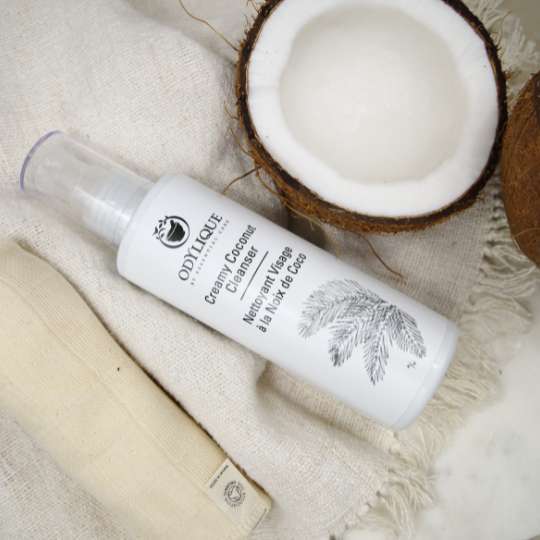
Sometimes people assume they need stronger exfoliation during summer, but over-exfoliating can make the problem worse.
Support the skin barrier
Look for ingredients that help reduce irritation and support hydration, such as:
- aloe vera
- oat extract
- calendula
- prebiotics
- glycerin
- gentle plant oils
Very heavily fragranced products may worsen irritation for some people with reactive skin.
Try Repair Lotion for an unscented, calming lotion that is rich in aloe vera, soothing calendula and chamomile, and supportive plant oils.
Choose sunscreen carefully
Many people with sensitive skin find that some sunscreens sting, especially around the eyes.
Mineral sunscreens based on zinc oxide are often better tolerated because they sit on the skin’s surface rather than relying on chemical UV filters that can sometimes trigger irritation.
Texture matters too. Heavy or occlusive sunscreens may feel uncomfortable in humid weather or when sweating.
Cool skin gradually
If skin feels overheated:
- move into shade
- apply cool (not ice-cold*) water, or a cold flannel
- apply light hydration, like Timeless Rose Moisturiser
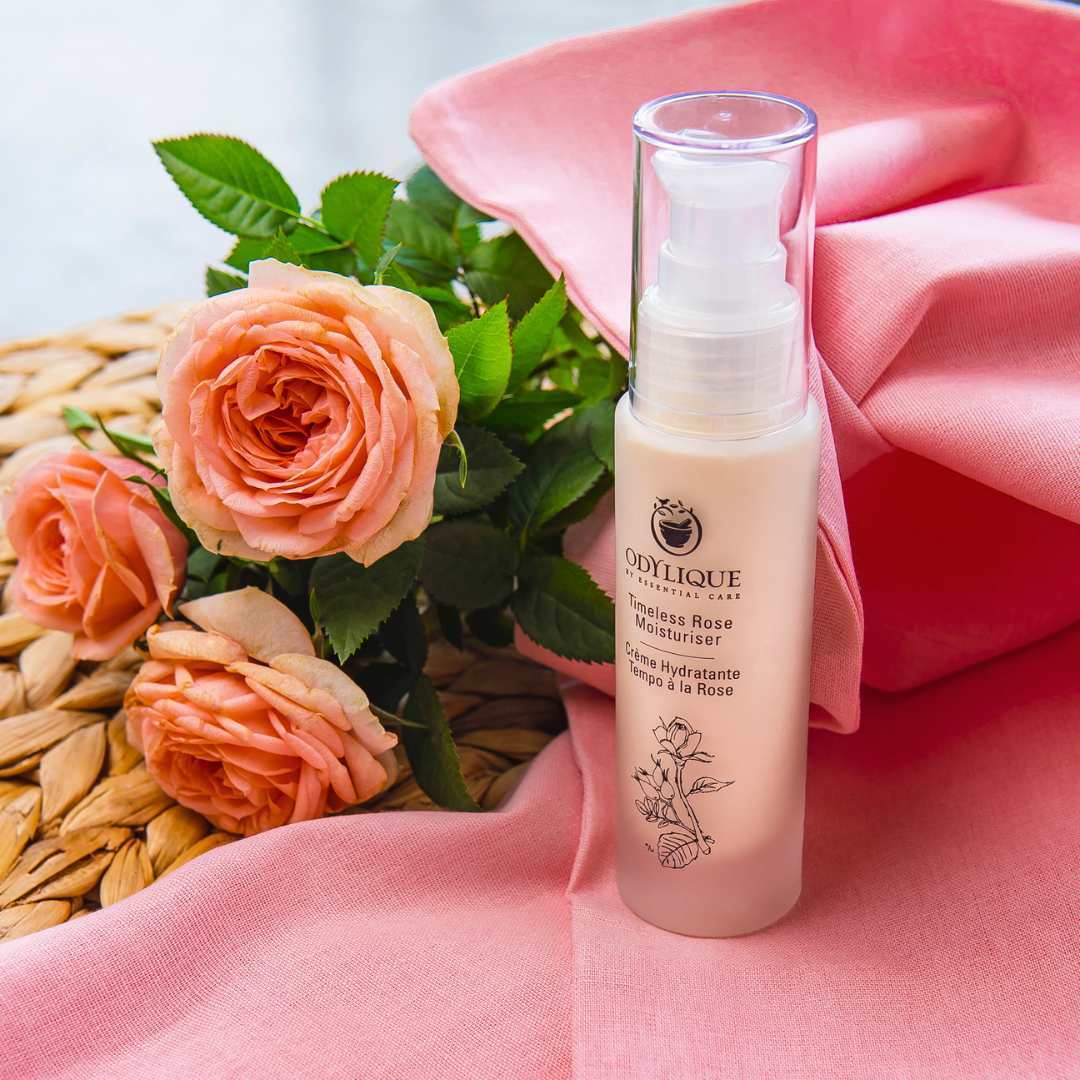
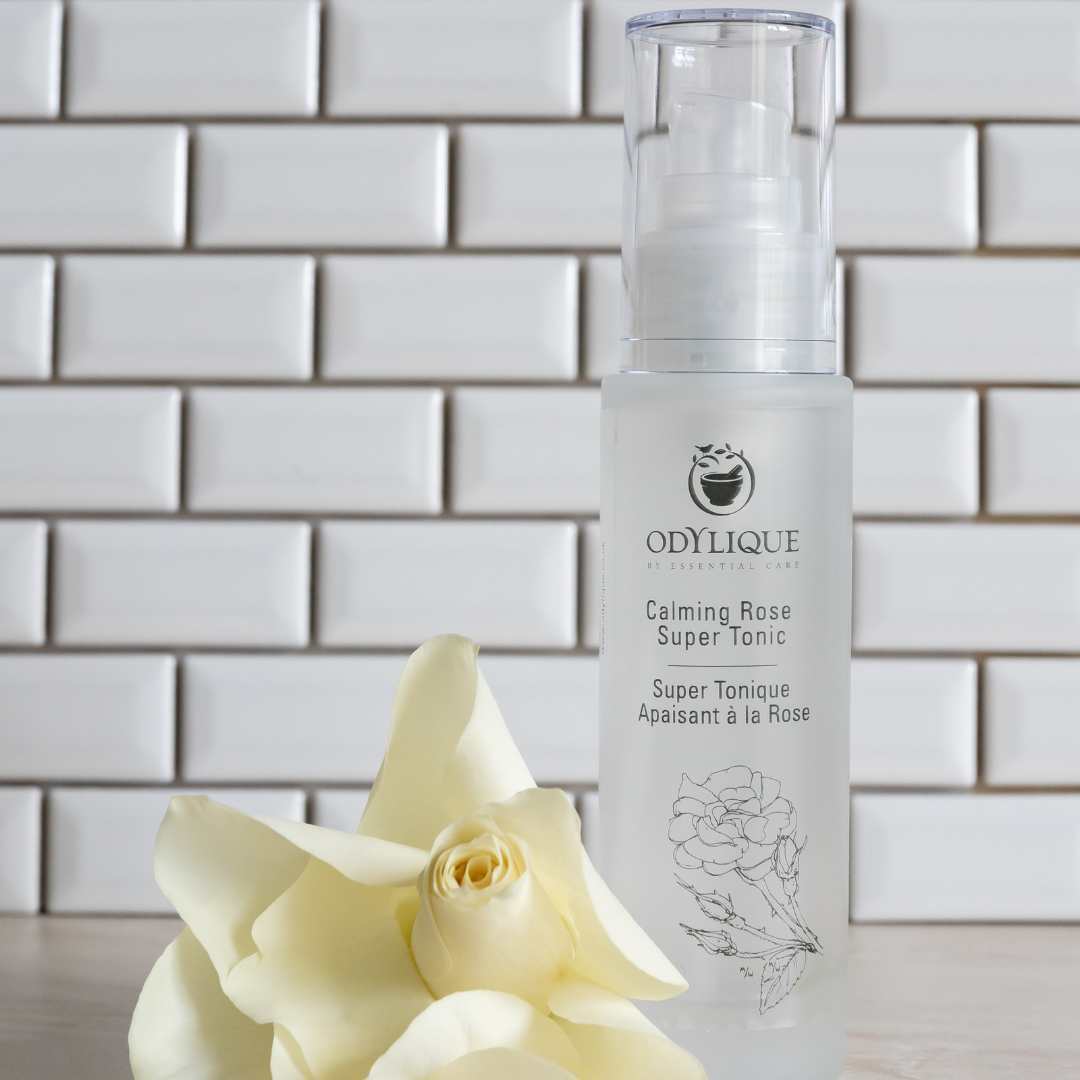
Our skin tonics, particularly the Calming Rose Petal Tonic, either at room temperature or from the fridge, can be exceptionally calming.
*Very cold temperatures can sometimes increase redness in reactive skin, particularly rosacea-prone skin.
Can hot weather trigger eczema or rosacea?
For some people, yes.
Heat, sweat and UV exposure are common triggers for both eczema and rosacea flare-ups. Changes in humidity, friction from clothing and increased sweating can all contribute to inflammation.
Managing the skin barrier consistently is often more helpful than aggressively treating symptoms once skin becomes reactive.
Final thoughts
Sensitive skin tends to be more vulnerable to both heat and UV stress because its protective barrier is already more easily disrupted.
In hot weather, the goal is usually not to use more skincare, but to reduce irritation, maintain hydration and protect the skin barrier from additional stress.
A simple routine, gentle sun protection like our Natural Sun Screen and barrier-supportive ingredients can often help keep reactive skin more comfortable throughout the summer months.