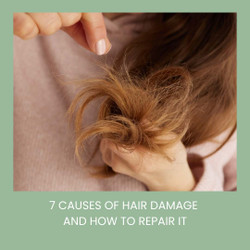
You’re looking at your hair and it’s not good. You’ve got breakage, frizz, dryness, it stretches when wet and has lost shine.
You’re also not alone: Only 1 in 5 of us think our hair is healthy according to national survey data.
So, what causes this damage and makes us unhappy with our hair? In this article we’ll look at the most common causes of hair damage and what you can do to avoid / repair hair damage.
What Causes Hair Damage?
There are lots of reasons our hair becomes damaged, and each means a different type of conditioning treatment with different benefits.
i) Bleach or hair dye:
If you use mainstream colours, even at a hairdresser, your hair may become damaged.
This is because artificial permanent and semi-permanent colours alter the hair shaft, roughing up the cuticle to allow the colour molecules to penetrate the hair. There is no way to do this without altering that strand of hair. This is only rectified when it falls out and replaced.
Peroxide that lightens hair is particularly harmful, but so is ammonia which damages the protective outer layer of the hair shaft.
The level of damage you experience will alter depending on the porosity of your hair (how absorbent it is), what type of hair you have and how often you colour your hair. A good hairdresser will do their best to protect the hair quality but over time it will show signs of wear.
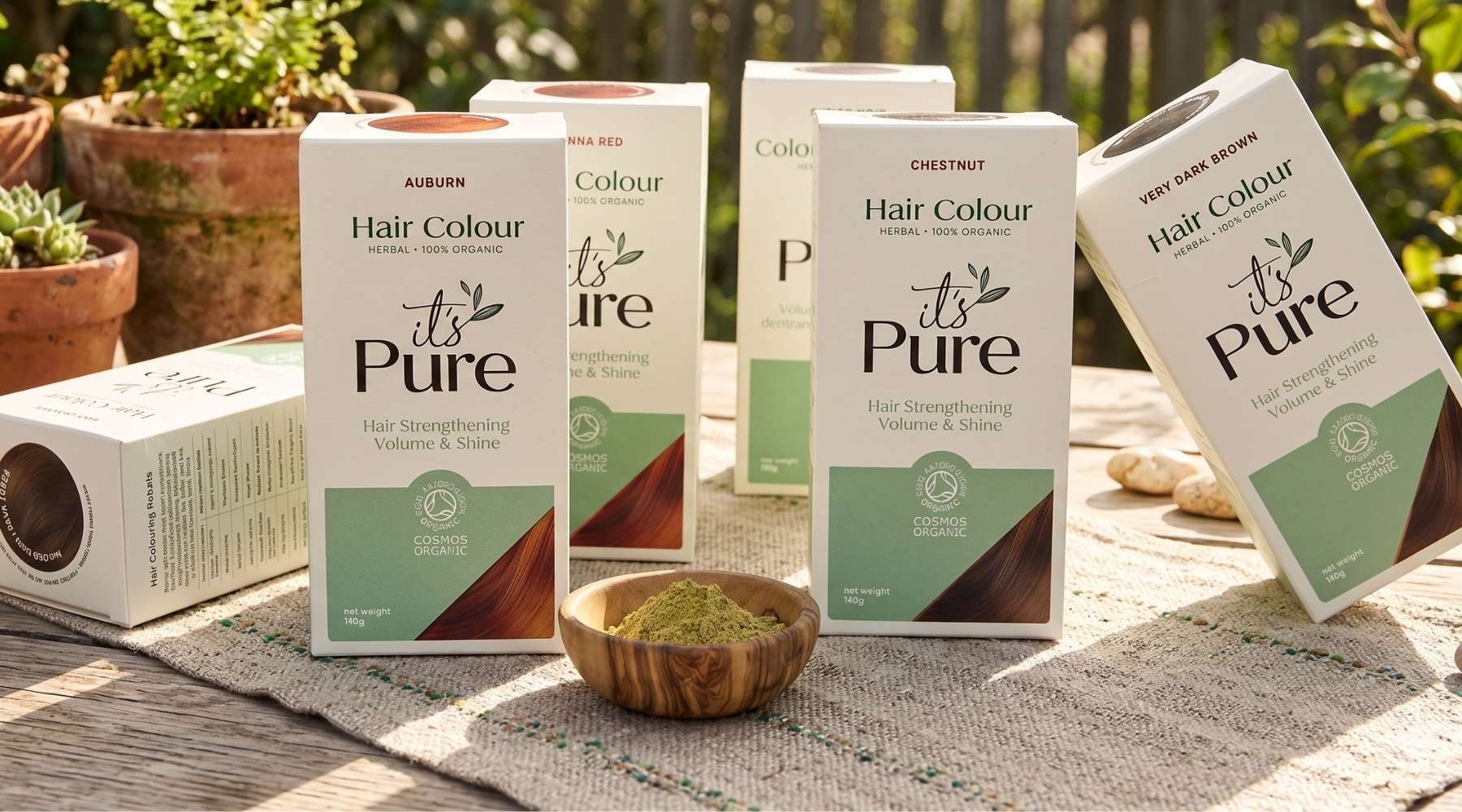
Solution: Consider switching to a natural herbal (henna) hair dye. They’re suitable if you want to cover grey or go your hair natural colour or darker. Genuine herbal hair colours do work and not only won’t damage your hair, but also feed it with nutrients.
ii) Heat and overprocessing:
Daily styling with heat, straighteners, hair ties and elastics is a guaranteed path to rapid hair damage.
Solution: Use a styling / heat defence spray (a natural one is available from Logona). You can also use plastic-free hair ties from a brand like Tabitha Eve which are kind to hair.
iii) Ageing:
As we age, we lose the ability to create enough essential fatty acids to sustain healthy hair growth.
During perimenopause we also go through hormonal shifts that can result in dryness and hair shedding.
Talk to a nutritional therapist as there are supplements which can help with menopausal symptoms and hair loss.
Also take a look at this article on what to eat for healthy hair.
iv) Extensions
If you wear a weave, hair extensions or cover your hair a lot, chances are you’re putting a lot of pressure on your hair and you may find it becoming increasingly damaged over time, especially around the front and the ears.
v) Chlorine
- When we swim in chlorinated water, the chlorine tends to strip away the natural oils and proteins from our hair strands. This leaves our hair feeling dry, brittle and prone to breakage. The chemicals present in chlorine also cause discoloration of the hair by turning it green or making it look faded.
Solution: To minimise damage caused by chlorine exposure, it is recommended that you wet your hair with clean water before entering the pool as this helps reduce chlorine absorption into your scalp and locks in some moisture too. Additionally, using a leave-in conditioner or treatment specifically designed for swimmers can help protect your tresses
vi) Hard water
- When your hair comes in contact with hard water, it leaves behind mineral deposits such as calcium and magnesium ions that can build up over time and create a coating on your strands. This build-up makes your hair dry, brittle and prone to breakage. Not only does your hair feel rough but it also can’t absorb moisture from products such as conditioner or masks.
Additionally, hard water reduces the effectiveness of shampoos by preventing them from lathering properly, leaving residue behind which further contributes to damage over time.
Solution: To combat this problem, consider using a clarifying shampoo regularly to remove build-up or investing in a showerhead filter that softens the water by removing impurities like chlorine and minerals before they come into contact with your tresses.
vii) The Wrong Conditioner:
Lank and limp or dry and lifeless - both can be signs of conditioner damaged hair.
Mainstream conditioners include ingredients like silicone. This helps to create hair ‘slip’, reflects light and smooths the hair shaft, so initially it looks better.
Unfortunately, though, it’s not water soluble, so over time it builds up in the hair, causing dullness and making it limp. The only way to get it out is with a good clarification treatment.
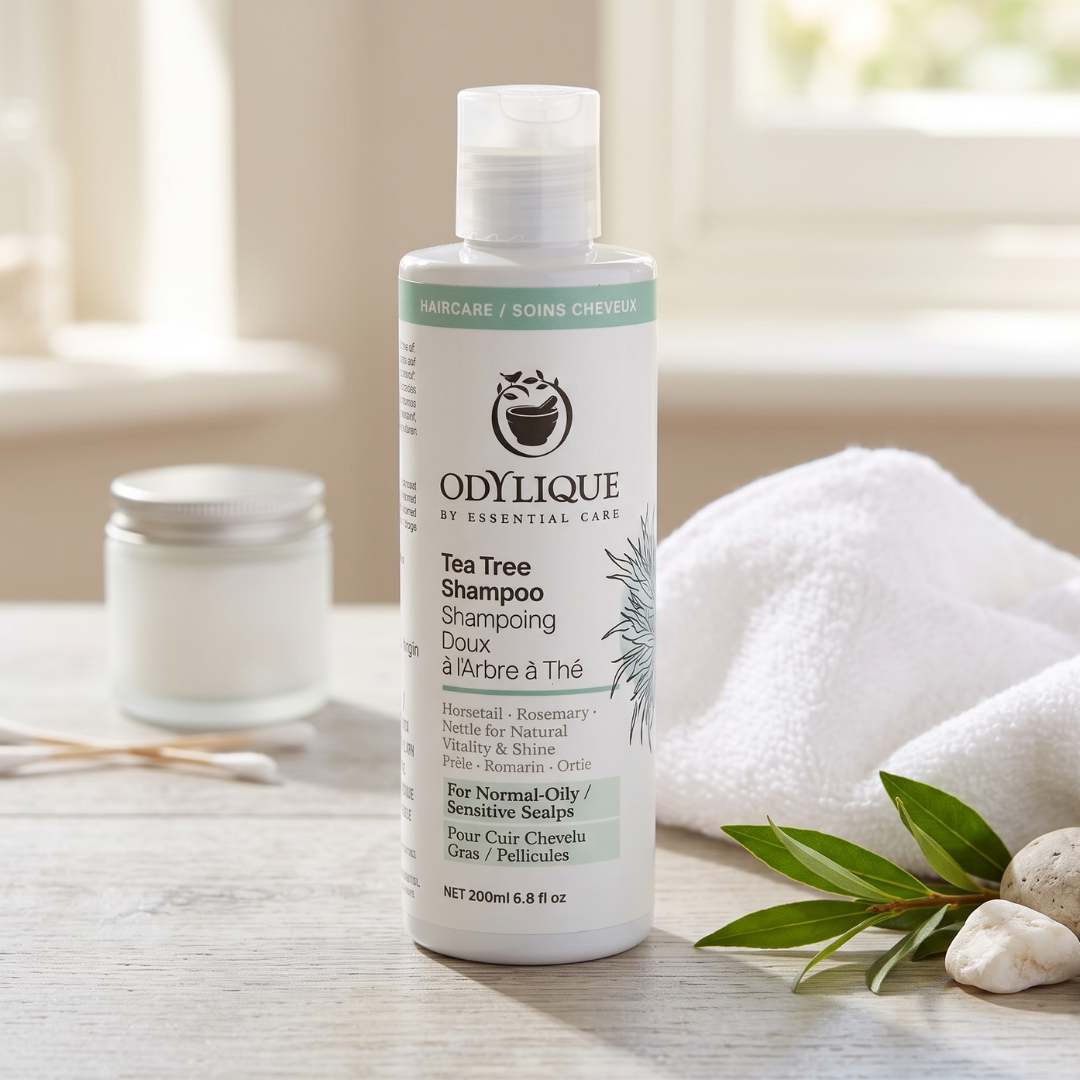
Solution: If your hair has gone lank and limp from over-conditioning, it is worth using a good clarifying shampoo with tea tree for a couple of weeks. This will gently but effectively remove product build-up. Consider also investing in a Mineral Treatment to deep cleanse the hair.
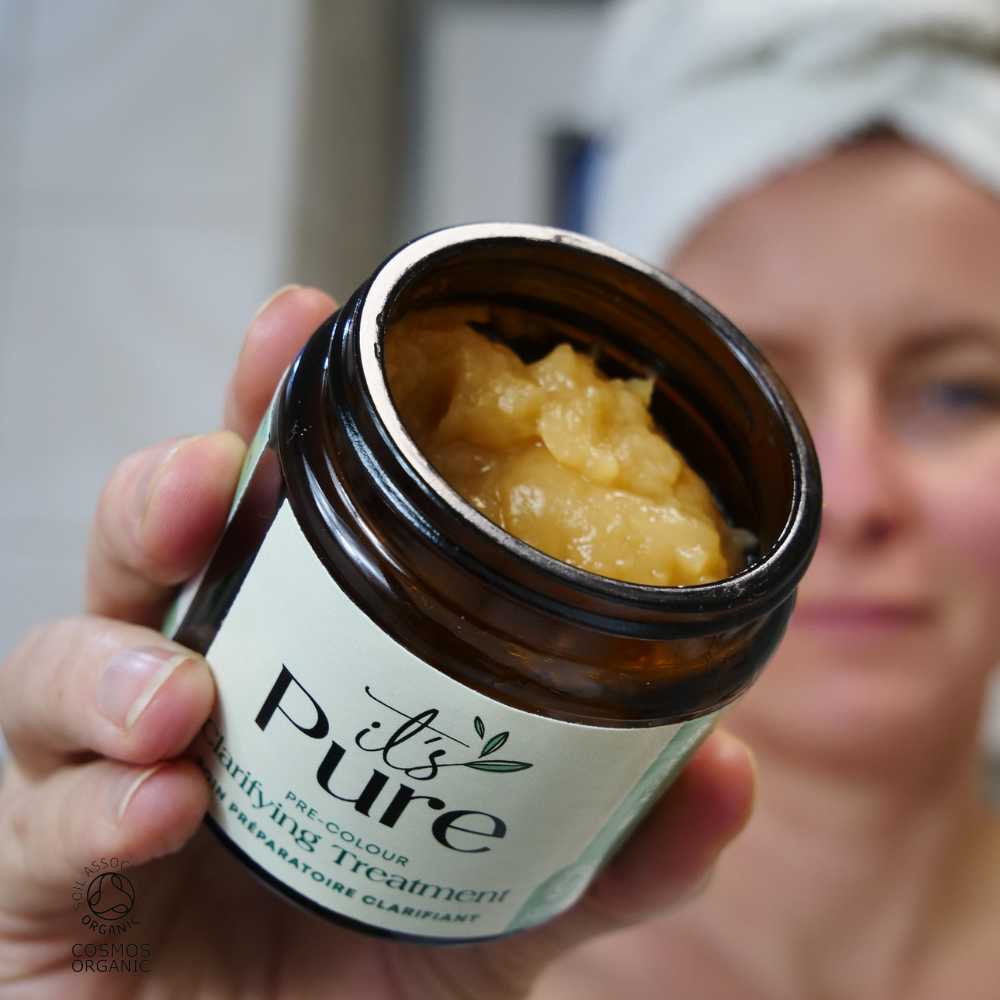
On the other hand, if your hair is dry and lifeless, follow the above with a nutrient rich natural hair mask to nourish your hair and scalp.
Don’t use a sulphate-based shampoo to clarify your hair. It can strip all the natural oils out and cause even more damage.
Whatever conditioner for damaged hair you choose, also avoid sulphates for the same reason, as well as artificial fragrance, which can irritate.
Odylique Organic Conditioners for Damaged Hair
Odylique’s organic conditioners are silicone free and packed with nourishing ingredients including a unique all-natural conditioning system of amino acids and prebiotics. They are ideal as a light rinse-out conditioner or can be left on for a little longer as a conditioning mask for very damaged hair.
They strengthen and smooth the hair, giving a soft luxurious feel.
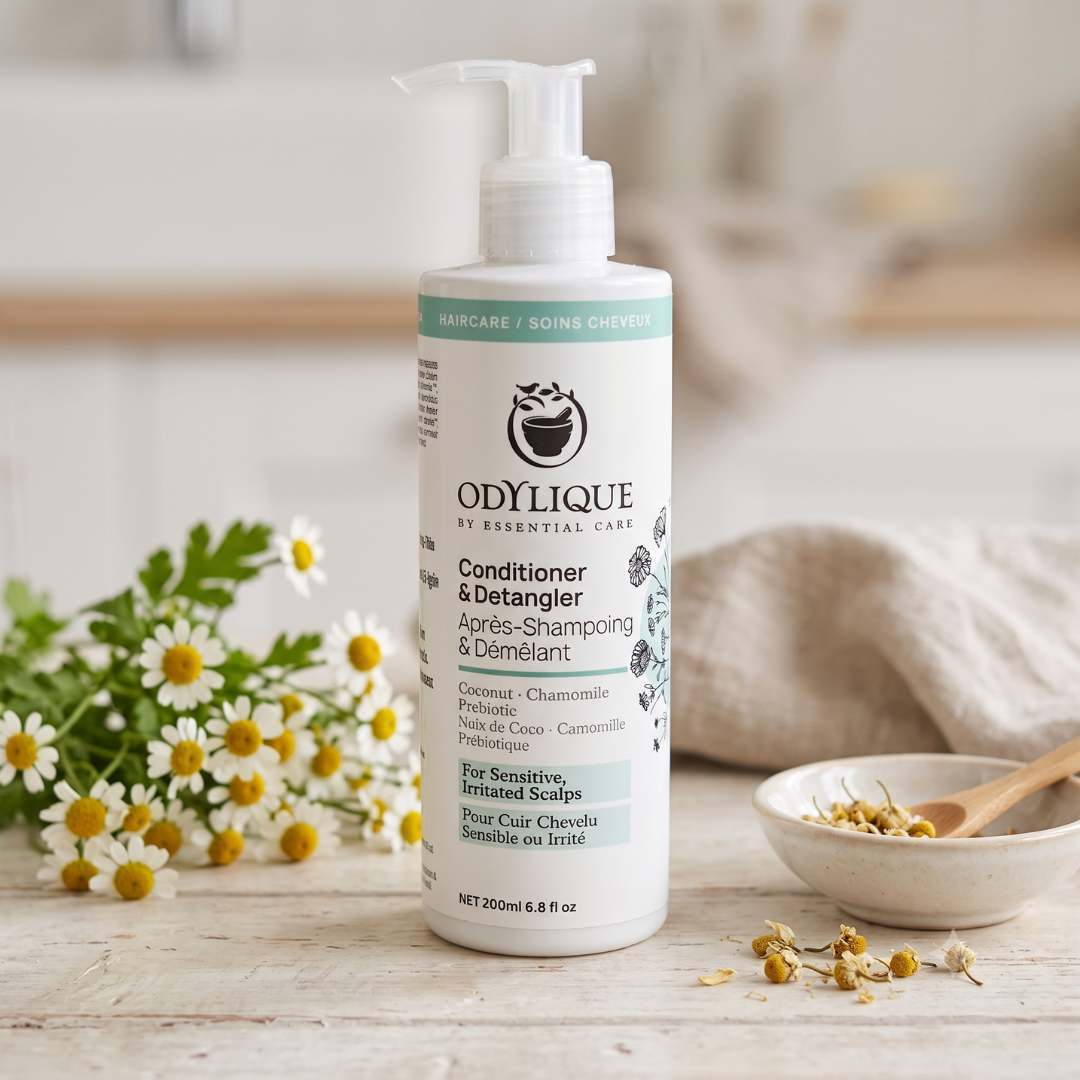
Coconut Conditioner: Perfect for light to moderate damage. Packed with aloe and richly smoothing coconut. Scent free.
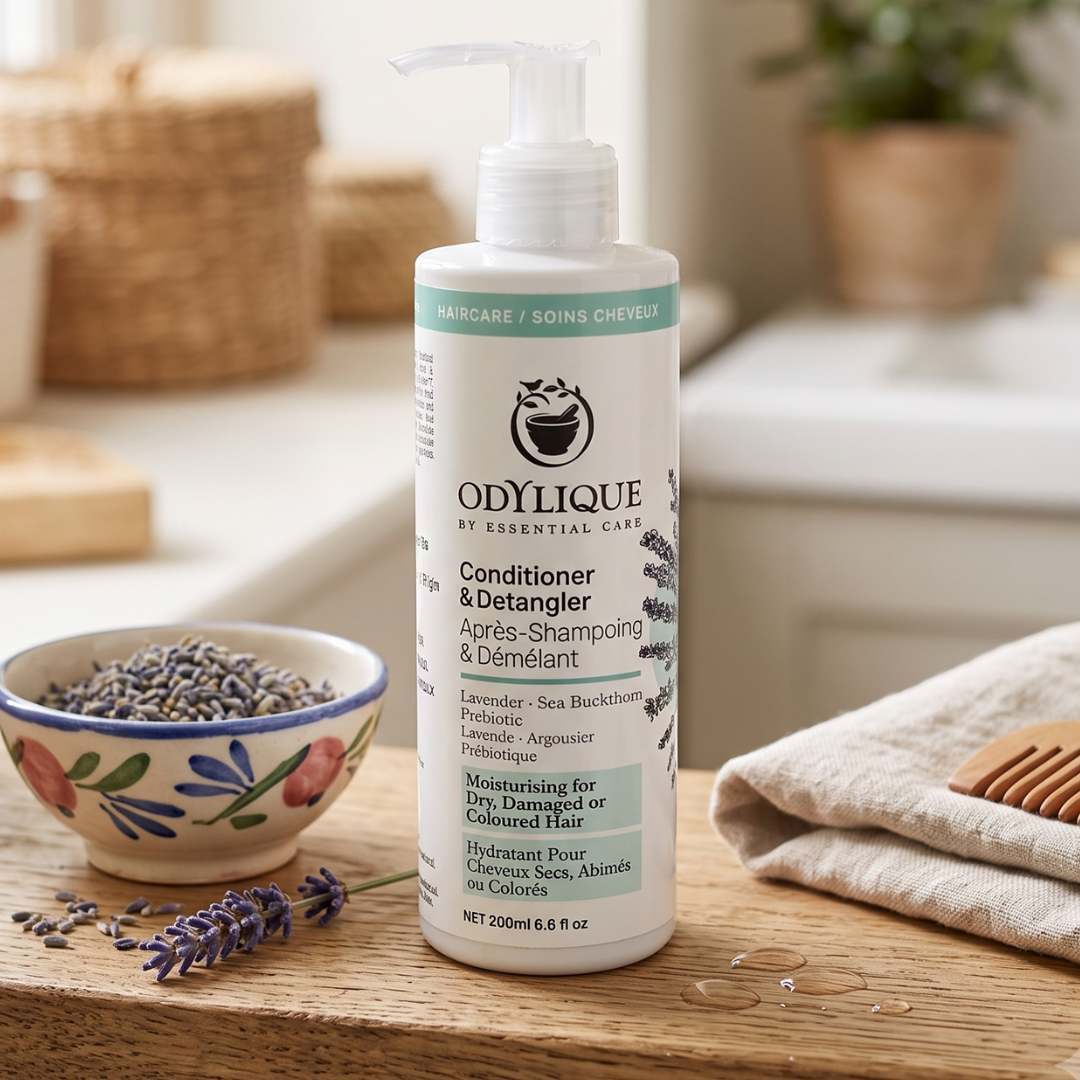
Lavender Conditioner and Detangler: With avocado and restorative sea buckthorn. Ideal for regular use.
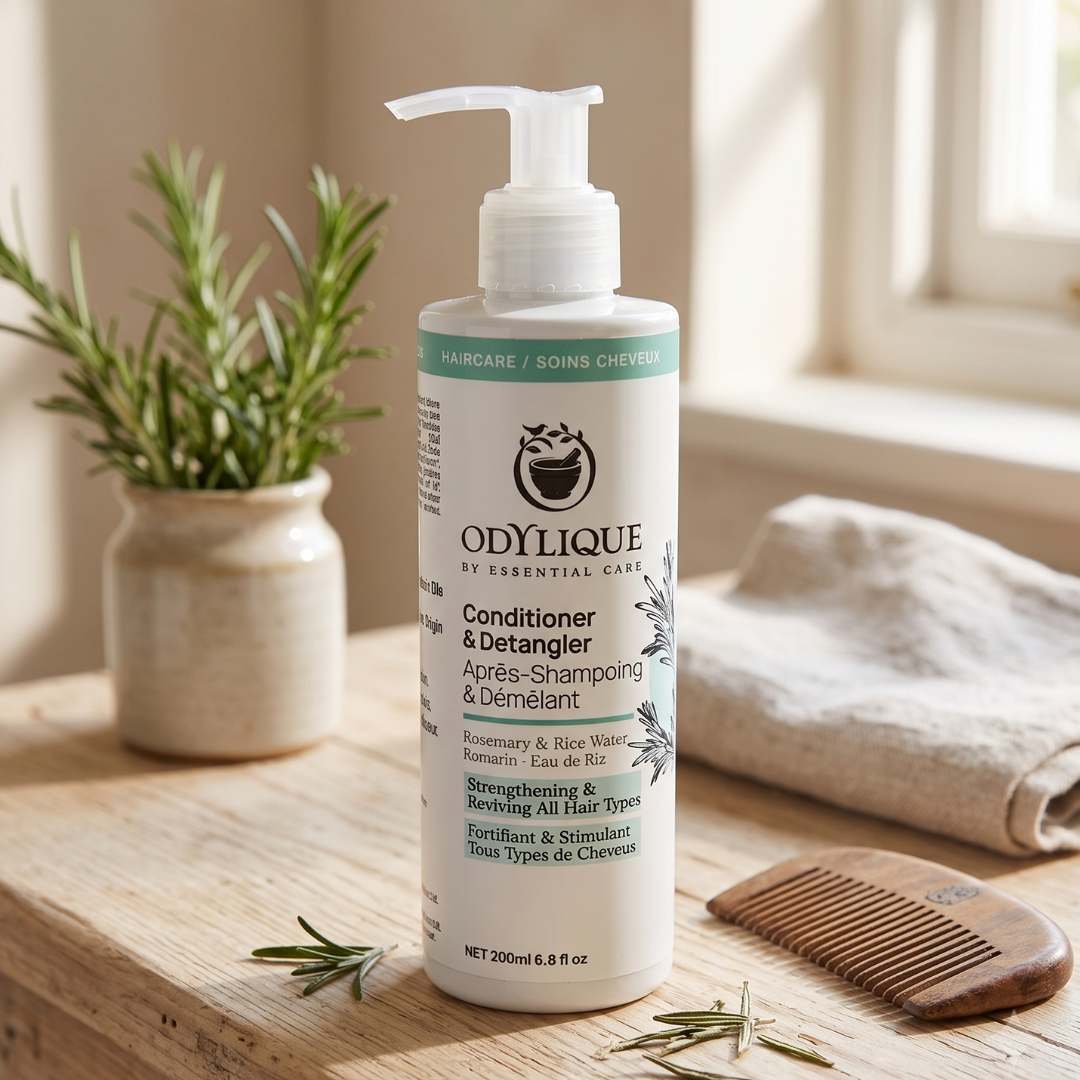
Reviving Rosemary Conditioner and Detangler: Rosemary is famed for its hair strengthening qualities. This conditioner features a potent CO2 rosemary extract, plus the essential oil of rosemary. With rice water, seaweed and aloe too, it is highly moisturising and repairing for dry, damaged hair.
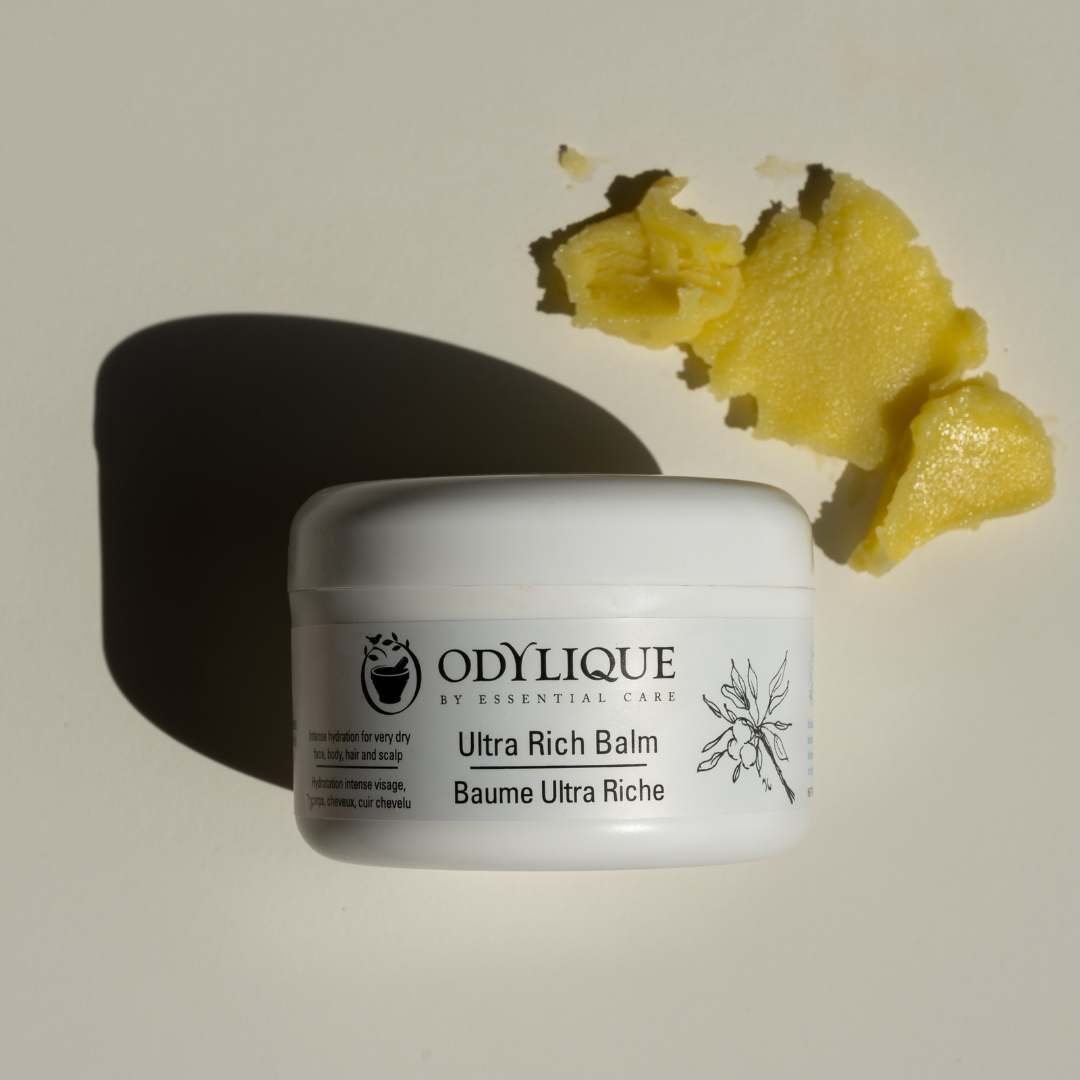
Ultra Rich Balm: Perfect for very dry and afro hair as an intense split end treatment.